

Best picks
Best VPN Routers in 2026
Whole-Network VPN Picks for Home, Travel and Business
The VPN routers worth buying in 2026: pre-configured and bring-your-own-subscription picks, WireGuard speed ceilings, and which models fit homes, travel and small offices.
By thisPING EditorialUpdated November 5, 202613 min read5 picks
On this page · Our picks at a glance
Our picks at a glance
- 1
Whole-home, fast plans, business
Wi-Fi 7 · BE9700
Choose for: Whole-home, fast plans, business
Check before buying: it's a Wi-Fi 7 flagship you're buying mostly for ports and VPN versatility, and ASUS lists no VPN speed ceiling, so throughput depends on the protocol and server you pick.
- 2
- 3
Budget home VPN router
Choose for: Budget home VPN router
Check before buying: gigabit ports only, no 6 GHz radio, and VPN speeds drop when it runs as a server.
Show all 5 picks
- 4
Wi-Fi 6 value, VPN server
Wi-Fi 6 · AX5700
Choose for: Wi-Fi 6 value, VPN server
Check before buying: only one 2.5 Gbps port (use it for WAN and you're back to gigabit LAN), ASUS lists no VPN speed ceiling, and the maker's US purchase feed has shown stock inconsistency — check availability before committing.
- 5
Cheapest router with real VPN support
Choose for: Cheapest router with real VPN support
Check before buying: no WireGuard, a dual-core CPU with no published VPN speed figure, and gigabit ports only.
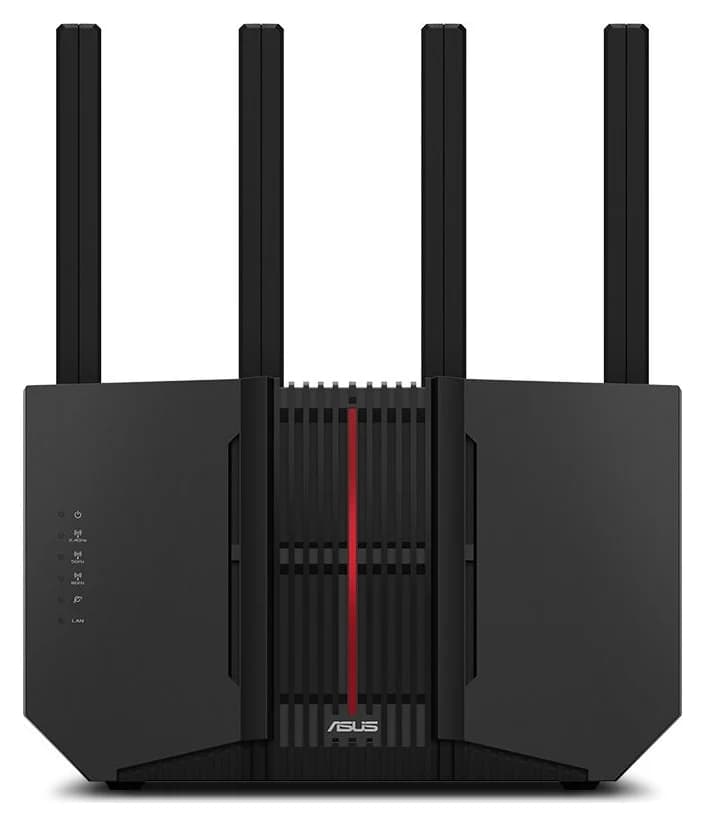
For protecting an entire home network at the gateway, the ASUS RT-BE92U is the strongest all-round VPN router here: ASUS's spec page lists a 10 Gbps WAN/LAN port, VPN Fusion for running VPNs without slowing other devices, and OpenVPN and WireGuard clients and servers. If you want a router that arrives ready to go, the ExpressVPN Aircove has ExpressVPN's firmware preinstalled — sign in once and every device in the house is covered, up to the maker's 330 Mbps VPN ceiling. For a pocketable pick, the GL.iNet Beryl AX (GL-MT3000) is a 196 g travel router with OpenVPN and WireGuard built in. Specs checked November 5, 2026, from each maker's own pages.
A "VPN router" is any router that can run VPN client or server software itself, so every device behind it shares one encrypted tunnel. Three kinds fill this guide: general-purpose ASUS and TP-Link routers with VPN support buried in their firmware, travel and home routers from GL.iNet and ExpressVPN with VPN apps preinstalled, and Deeper Network's decentralized gateways that need no subscription at all.
Quick picks
Compare specifications and all conditions
ASUS RT-BE92U
- Best for
- Whole-home, fast plans, business
- VPN client (maker ceiling)
- OpenVPN + WireGuard (maker lists protocols, no ceiling)
- Wi-Fi
- Tri-band Wi-Fi 7 (BE9700)
All specifications
- Ports
- 1x 10 Gbps WAN/LAN, 1x 2.5 Gbps WAN/LAN, 3x 2.5 Gbps LAN
- Subscription?
- Your VPN service
ExpressVPN Aircove
- Best for
- Pre-configured simplicity
- VPN client (maker ceiling)
- ExpressVPN app, Lightway/OpenVPN DCO, up to 330 Mbps
- Wi-Fi
- Dual-band Wi-Fi 6 (AX1800)
All specifications
- Ports
- 1x gigabit WAN, 4x gigabit LAN
- Subscription?
- ExpressVPN
GL.iNet Beryl AX (GL-MT3000)
- Best for
- Travel and remote work
- VPN client (maker ceiling)
- WireGuard 300 Mbps, OpenVPN 150 Mbps; 30+ services
- Wi-Fi
- Dual-band Wi-Fi 6 (AX3000)
All specifications
- Ports
- 1x 2.5 Gbps WAN, 1x gigabit LAN, USB 3.0
- Subscription?
- Your VPN service
GL.iNet Slate AX (GL-AXT1800)
- Best for
- Budget home VPN router
- VPN client (maker ceiling)
- OpenVPN 560 Mbps (DCO), WireGuard 550 Mbps
- Wi-Fi
- Dual-band Wi-Fi 6 (AX1800)
All specifications
- Ports
- 1x gigabit WAN, 2x gigabit LAN, USB 3.0, microSD
- Subscription?
- Your VPN service
Deeper Connect Pico
- Best for
- No-subscription decentralized
- VPN client (maker ceiling)
- DPN, no VPN service needed
- Wi-Fi
- None (gateway)
All specifications
- Ports
- Ethernet gateway; works with your router
- Subscription?
- None (DPN)
ASUS RT-AX86U Pro
- Best for
- Wi-Fi 6 value, VPN server
- VPN client (maker ceiling)
- OpenVPN + WireGuard client and server
- Wi-Fi
- Dual-band Wi-Fi 6 (AX5700)
All specifications
- Ports
- 1x configurable 2.5 Gbps WAN/LAN, 4x gigabit LAN
- Subscription?
- Your VPN service
TP-Link Archer AX55
- Best for
- Cheapest router with real VPN support
- VPN client (maker ceiling)
- OpenVPN client and server, plus PPTP/L2TP
- Wi-Fi
- Dual-band Wi-Fi 6 (AX3000)
All specifications
- Ports
- 1x gigabit WAN, 4x gigabit LAN, USB 3.0
- Subscription?
- Your VPN service
Full comparison table
Swipe to compare. Row labels stay visible.
| Pick | Best for | VPN client (maker ceiling) | Wi-Fi | Ports | Subscription? |
|---|---|---|---|---|---|
| ASUS RT-BE92U | Whole-home, fast plans, business | OpenVPN + WireGuard (maker lists protocols, no ceiling) | Tri-band Wi-Fi 7 (BE9700) | 1x 10 Gbps WAN/LAN, 1x 2.5 Gbps WAN/LAN, 3x 2.5 Gbps LAN | Your VPN service |
| ExpressVPN Aircove | Pre-configured simplicity | ExpressVPN app, Lightway/OpenVPN DCO, up to 330 Mbps | Dual-band Wi-Fi 6 (AX1800) | 1x gigabit WAN, 4x gigabit LAN | ExpressVPN |
| GL.iNet Beryl AX (GL-MT3000) | Travel and remote work | WireGuard 300 Mbps, OpenVPN 150 Mbps; 30+ services | Dual-band Wi-Fi 6 (AX3000) | 1x 2.5 Gbps WAN, 1x gigabit LAN, USB 3.0 | Your VPN service |
| GL.iNet Slate AX (GL-AXT1800) | Budget home VPN router | OpenVPN 560 Mbps (DCO), WireGuard 550 Mbps | Dual-band Wi-Fi 6 (AX1800) | 1x gigabit WAN, 2x gigabit LAN, USB 3.0, microSD | Your VPN service |
| Deeper Connect Pico | No-subscription decentralized | DPN, no VPN service needed | None (gateway) | Ethernet gateway; works with your router | None (DPN) |
| ASUS RT-AX86U Pro | Wi-Fi 6 value, VPN server | OpenVPN + WireGuard client and server | Dual-band Wi-Fi 6 (AX5700) | 1x configurable 2.5 Gbps WAN/LAN, 4x gigabit LAN | Your VPN service |
| TP-Link Archer AX55 | Cheapest router with real VPN support | OpenVPN client and server, plus PPTP/L2TP | Dual-band Wi-Fi 6 (AX3000) | 1x gigabit WAN, 4x gigabit LAN, USB 3.0 | Your VPN service |
Scroll horizontally to see every column
| Pick | Best for | VPN client (maker ceiling) | Wi-Fi | Ports | Subscription? |
|---|---|---|---|---|---|
| ASUS RT-BE92U | Whole-home, fast plans, business | OpenVPN + WireGuard (maker lists protocols, no ceiling) | Tri-band Wi-Fi 7 (BE9700) | 1x 10 Gbps WAN/LAN, 1x 2.5 Gbps WAN/LAN, 3x 2.5 Gbps LAN | Your VPN service |
| ExpressVPN Aircove | Pre-configured simplicity | ExpressVPN app, Lightway/OpenVPN DCO, up to 330 Mbps | Dual-band Wi-Fi 6 (AX1800) | 1x gigabit WAN, 4x gigabit LAN | ExpressVPN |
| GL.iNet Beryl AX (GL-MT3000) | Travel and remote work | WireGuard 300 Mbps, OpenVPN 150 Mbps; 30+ services | Dual-band Wi-Fi 6 (AX3000) | 1x 2.5 Gbps WAN, 1x gigabit LAN, USB 3.0 | Your VPN service |
| GL.iNet Slate AX (GL-AXT1800) | Budget home VPN router | OpenVPN 560 Mbps (DCO), WireGuard 550 Mbps | Dual-band Wi-Fi 6 (AX1800) | 1x gigabit WAN, 2x gigabit LAN, USB 3.0, microSD | Your VPN service |
| Deeper Connect Pico | No-subscription decentralized | DPN, no VPN service needed | None (gateway) | Ethernet gateway; works with your router | None (DPN) |
| ASUS RT-AX86U Pro | Wi-Fi 6 value, VPN server | OpenVPN + WireGuard client and server | Dual-band Wi-Fi 6 (AX5700) | 1x configurable 2.5 Gbps WAN/LAN, 4x gigabit LAN | Your VPN service |
| TP-Link Archer AX55 | Cheapest router with real VPN support | OpenVPN client and server, plus PPTP/L2TP | Dual-band Wi-Fi 6 (AX3000) | 1x gigabit WAN, 4x gigabit LAN, USB 3.0 | Your VPN service |
Best overall: ASUS RT-BE92U
ASUS
A tri-band Wi-Fi 7 router with a 10G WAN/LAN port, four 2.5G ports and AiMesh support.
Check package and model options
- Wi-Fi 7
- BE9700
- 3 bands
- 10 Gbps port
The RT-BE92U is the most complete VPN router for a busy home. ASUS's tech-spec page lists the full VPN stack: Instant Guard, OpenVPN, WireGuard, L2TP and PPTP clients, IPSec, OpenVPN, PPTP and WireGuard servers, VPN Fusion, and even Surfshark integration. VPN Fusion is the headline feature for families: it lets some devices use the VPN while others connect directly at full speed, which most routers can't do.
- Tri-band Wi-Fi 7 (BE9700: 1032 + 2882 + 5764 Mbps maximum band rates, not real throughput), 6 GHz band with 320 MHz channels
- 1x 10 Gbps WAN/LAN, 1x 2.5 Gbps WAN/LAN, 3x 2.5 Gbps LAN, USB 3.2 Gen1
- 2.0 GHz quad-core processor, 1 GB RAM — the headroom that matters when the router encrypts traffic for the whole house
- AiMesh, so it can grow into a mesh with other ASUS nodes
The trade-offs: it's a Wi-Fi 7 flagship you're buying mostly for ports and VPN versatility, and ASUS lists no VPN speed ceiling, so throughput depends on the protocol and server you pick. ASUS publishes no fixed support period for it; check the firmware page before buying.
Best pre-configured: ExpressVPN Aircove
{{product:}}
The Aircove is the router for people who never want to see a .ovpn config file. ExpressVPN's Aircove page describes its range of Wi-Fi 6 routers with built-in VPN: the app and firmware are preinstalled, so setup is signing in to your ExpressVPN account, and every device on the network — smart home gear included — is protected.
- Dual-band Wi-Fi 6 (AX1800: 600 Mbps on 2.4 GHz + 1,200 Mbps on 5 GHz, theoretical), up to 1,600 sq ft coverage claim
- VPN speeds up to 330 Mbps for multiple devices simultaneously (maker claim, Lightway TCP, ideal conditions); up to 910 Mbps over Ethernet with the VPN off
- Up to five device groups, each with its own VPN location (or No VPN / No internet)
- Ad blocker, tracker blocker, malicious-site blocker and parental controls included, with or without the VPN
- 1x gigabit WAN, 4x gigabit LAN ports; WPA3; automatic updates
The trade-offs: gigabit ports only, an active ExpressVPN subscription is required for the VPN features, and 330 Mbps is the ceiling — fine for streaming and browsing, not for a multi-gig plan. The router counts as one of the 14 devices an ExpressVPN subscription connects simultaneously. There's also a pocket-sized Aircove Go (750 sq ft claim, 3 gigabit ports, USB-C power) for travel.
Best for travel: GL.iNet Beryl AX (GL-MT3000)
{{product:}}
GL.iNet's product page positions it as a pocket-sized AX3000 VPN router: OpenVPN and WireGuard are preinstalled, it supports 30+ VPN services, and it can host VPN servers and cascade from its server to its client.
- Wi-Fi 6 AX3000 (574 + 2402 Mbps theoretical), 2.5 Gbps WAN port and one gigabit LAN port
- VPN client ceilings (maker claim, local-network client mode): WireGuard up to 300 Mbps, OpenVPN up to 150 Mbps
- 196 g, USB-C powered; 70+ simultaneous devices (maker claim)
- Ethernet, repeater (existing Wi-Fi), USB phone tethering and cellular modem connection sources
- WPA3, DNS over HTTPS/TLS, AdGuard Home
The trade-offs: one gigabit LAN port limits wired clients, and its VPN ceilings are modest — the Slate AX below is the better GL.iNet pick if speed matters more than pocketability.
Best budget home VPN router: GL.iNet Slate AX (GL-AXT1800)
{{product:}}
Don't let the "travel router" name fool you: the Slate AX is GL.iNet's fastest VPN value for a small home. The product page lists VPN client ceilings of OpenVPN up to 560 Mbps with DCO support and WireGuard up to 550 Mbps — the highest published figures in this guide — plus an IPQ6000 1.2 GHz quad-core processor doing the encrypting.
- Wi-Fi 6 AX1800 (600 + 1200 Mbps theoretical), up to 120 simultaneous devices (maker claim)
- 1x gigabit WAN, 2x gigabit LAN, USB 3.0 and a microSD slot up to 512 GB
- OpenVPN and WireGuard client and server, VPN Cascading, Tor (per the maker's user guide); OpenWrt 23.05 base with third-party app support
- 245 g, USB-C powered, retractable antennas; SAMBA/WebDAV file sharing from USB storage
The trade-offs: gigabit ports only, no 6 GHz radio, and VPN speeds drop when it runs as a server. Its three gigabit ports and VPN headroom beat the Beryl AX for a desk or shelf; the Beryl AX wins in a jacket pocket.
Best decentralized VPN router: Deeper Connect Pico
{{product:}}
The Pico answers "decentralized VPN router" searches with a different design: no VPN service at all. Deeper Network's homepage now describes Deeper Connect as a VPN Router (router-level VPN) that can optionally use DPN, a decentralized network of over 200,000 nodes, with a one-time hardware purchase and no subscription fees — ever, per the maker.
- DPN routing with end-to-end encryption and open-access tunneling; no monthly fee, and firmware updates are free
- 7-layer firewall, DNS encryption, threat detection, ad and tracker blocking, one-click parental control
- Unlimited protected devices (maker claim); AtomOS dashboard for monitoring and multi-tunnel routing
- Works in Virtual Wire mode between your modem and router, or Router mode with your gateway
The trade-offs are real. The Pico's maximum bandwidth is 100 Mbps — the lowest of the maker's lineup (Mini tops out at 1 Gbps) — so it will bottleneck a fast plan. In DPN mode it can route your encrypted traffic through other users' nodes rather than a company's servers, but the maker says DPN is optional on top of a router-level VPN: a different trust model from a commercial VPN. And the maker markets optional Web3 bandwidth-sharing features we'd treat as a curiosity, not a buying reason. It suits privacy-focused households on modest plans who want to escape subscriptions.
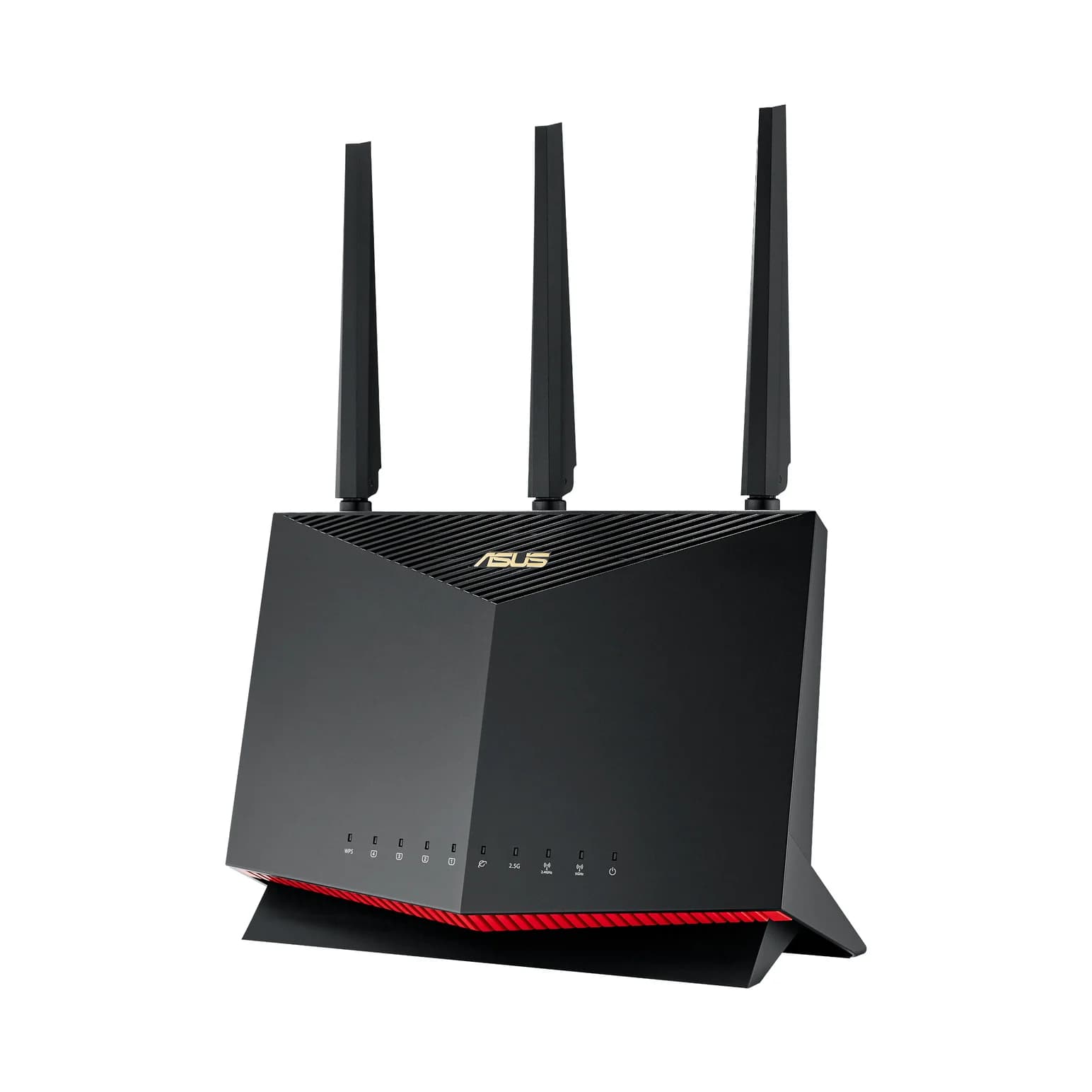
Best Wi-Fi 6 value: ASUS RT-AX86U Pro
{{product:}}
Not everyone needs Wi-Fi 7. The RT-AX86U Pro is ASUS's long-standing VPN workhorse: the spec sheet lists the same full VPN stack as the RT-BE92U — OpenVPN, WireGuard, L2TP and PPTP clients, IPSec, OpenVPN, PPTP and WireGuard servers, and VPN Fusion — with a 2.0 GHz quad-core processor and 1 GB RAM.
- Dual-band Wi-Fi 6 (AX5700: 861 + 4804 Mbps theoretical)
- One configurable 2.5 Gbps WAN/LAN port plus 4x dedicated gigabit LAN
- AiMesh primary-router and node roles; USB 3.2 Gen1 and USB 2.0
The trade-offs: only one 2.5 Gbps port (use it for WAN and you're back to gigabit LAN), ASUS lists no VPN speed ceiling, and the maker's US purchase feed has shown stock inconsistency — check availability before committing. ASUS lists the RT-AX86U Pro as end of life in the EU, though not the US.
Cheapest capable option: TP-Link Archer AX55
{{product:}}
The Archer AX55 shows up in "cheap VPN router" searches because it's one of the few budget Wi-Fi 6 routers with real VPN support rather than VPN passthrough. TP-Link's spec table lists an OpenVPN and PPTP VPN server plus OpenVPN, PPTP and L2TP clients.
- Dual-band Wi-Fi 6 (AX3000: 574 + 2402 Mbps theoretical), 4x fixed high-gain antennas
- 1x gigabit WAN, 4x gigabit LAN, USB 3.0 port with Time Machine, FTP, media and Samba server functions
- OneMesh and EasyMesh for later mesh expansion; HomeShield security and parental controls
The trade-offs: no WireGuard, a dual-core CPU with no published VPN speed figure, and gigabit ports only. It's the pick when budget rules and your VPN needs are light; spend up to the Slate AX or RT-AX86U Pro for serious VPN throughput.
How to choose a VPN router
Match the VPN you already pay for
Check the router's supported protocols: WireGuard and OpenVPN cover most services; the Aircove needs ExpressVPN; the Pico needs none.
Compare maker-published VPN speed ceilings
Slate AX tops this guide at WireGuard 550 / OpenVPN 560 Mbps (DCO); Beryl AX sits at 300 / 150; Aircove at 330. Your plan and VPN server set the rest.
Count wired ports for office and media gear
10 Gbps + 2.5 Gbps ports (RT-BE92U), four gigabit LAN (Aircove, AX55, AX86U Pro), or three gigabit (Slate AX).
Decide on subscriptions
Pre-configured routers need their service; generic routers need your existing service; Deeper's DPN needs none.
Speed is the spec makers hide. A router's Wi-Fi class (AX3000, BE9700) says nothing about VPN throughput — the CPU encrypting every device's traffic is the bottleneck. GL.iNet and ExpressVPN publish client-mode ceilings; ASUS and TP-Link don't. Prefer published numbers, and assume real-world throughput below them.
Source: each maker's product page, client mode, local-network tests
Client, server or both? A VPN client router sends your household's traffic out through a VPN service — the common case. A VPN server router lets you connect into your home network remotely, which is what many small businesses and homelab owners actually want. ASUS's two picks, both GL.iNet routers and even the Archer AX55 run servers; the Aircove and the Pico do not.
Where it sits in your network. Most picks here replace your existing router. The Pico instead sits between your modem and router (Virtual Wire) or behind your gateway (Router mode) — useful if you love your current Wi-Fi. The Aircove can likewise hang off an existing mesh node to cover one cluster of devices.
Compatibility and fit
Homes and apartments. The Aircove's ~1,600 sq ft coverage claim suits a medium home; TP-Link quotes "3-bedroom houses" for the AX55. Both are single routers — see our mesh Wi-Fi guide if you need multi-floor coverage, and note ASUS's AiMesh routers can mesh with other ASUS nodes while keeping VPN features.
Internet plans. The WAN port caps everything behind it: the RT-BE92U's 10 Gbps port handles any plan, the Beryl AX's 2.5 Gbps WAN handles 2 Gig, and everything else here is gigabit. But when the VPN is on, the CPU — not the port — is the ceiling, so a gigabit router loses little on a VPN that tops out at 330–560 Mbps.
NAS, homelab and small business. A VPN server on your router is the cheapest remote-access path to a NAS or homelab: connect over WireGuard from outside and you're on the LAN. The RT-BE92U's 2.5 Gbps LAN ports feed a NAS faster; see our NAS guide. For bigger setups, our firewall router guide covers dedicated gateways that pair well with any router here.
Your existing gear. VPN passthrough (letting a VPN app on your laptop connect out) is universal — that's not what these picks are for. What you're buying is the router itself running the VPN. Also check ISP compatibility basics in our modem-router combo guide.
Setup and long-term use
- Yes: Aircove: sign in to your ExpressVPN account; firmware updates automatically
- Yes: GL.iNet routers: pick a service from the built-in list of 30+ providers and sign in
- Yes: ASUS routers: add your VPN config in the web interface's VPN Fusion section
- Yes: Deeper Pico: plug-and-play between modem and router, per the maker
- Partly: GL.iNet routers as VPN server: slower, and hotel captive portals can need a browser login first
- No: Aircove without an ExpressVPN subscription: VPN features inactive (router and ad blocking still work)
- No: Pico on a fast plan: capped at its 100 Mbps maximum bandwidth
Firmware matters more on a VPN router than a normal one. VPN protocols and server lists change, so the maker's update cadence is part of the product. ExpressVPN updates the Aircove automatically; GL.iNet routers update through the web Admin Panel, and the Slate AX guide documents an OpenWrt 23.05 base (the version varies by model and firmware); ASUS and TP-Link publish firmware on their support pages; Deeper describes continuous free updates. None of ASUS's, TP-Link's or Deeper's pages here carry a dated support commitment — eero-style end dates are the exception in this category, not the rule.
Maintenance: re-test your VPN speed after firmware updates (protocol performance shifts), and if you run a VPN server for remote access, confirm you can still reach it from a phone on cellular after each update. GL.iNet's docs cover the captive-portal and tethering cases travelers hit most.
FAQ
What is the difference between VPN client and VPN server on a router? A client connects your home out to a VPN service for privacy; a server lets you connect in to your home network while away. The ASUS and GL.iNet picks do both, so one box can hide your household's traffic and open a private door to your NAS.
Can I use my existing VPN subscription? On the ASUS, TP-Link and GL.iNet picks, yes, if the service offers OpenVPN or WireGuard configs (most do). The Aircove requires ExpressVPN; it's the only pick locked to one provider.
Will a VPN router slow my internet? Yes, while the VPN is on — the maker ceilings in the table above are the realistic maximums. With the VPN off, the Aircove delivers up to 910 Mbps over Ethernet per ExpressVPN. GL.iNet's VPN policies let you exempt devices that need full speed, and ASUS's VPN Fusion does the same.
Is the Aircove a mesh system? No — ExpressVPN states it's a single router, though it can be attached to an existing mesh node to protect a group of devices.
How we choose
We haven't lab-tested or speed-tested these routers. VPN protocols, ports, VPN speed ceilings, coverage claims and update behavior come from each maker's own product and spec pages — ASUS, ExpressVPN, GL.iNet, Deeper Network and TP-Link — linked in each section and in the product cards, checked November 5, 2026. Picks are ranked by published VPN capability first (protocols, client/server roles, speed ceilings) and by the wired and Wi-Fi hardware around it second. Where a maker publishes no VPN speed figure, we say so instead of guessing. Full method: How we choose.
Verdict
Buy the ASUS RT-BE92U if you want one router that does everything — a 10 Gbps WAN port, VPN Fusion, and both VPN client and server — and you already pay for a VPN. Buy the ExpressVPN Aircove if you value simplicity over speed: it's the only pick that's genuinely pre-configured, and 330 Mbps of maker-claimed VPN throughput covers streaming and browsing for the whole house. Travelers should get the GL.iNet Beryl AX, and value-hunters with a shelf instead of a pocket should get the Slate AX (GL-AXT1800) for its 560 Mbps OpenVPN ceiling. The Deeper Connect Pico is the no-subscription wildcard for modest plans, the RT-AX86U Pro is the proven Wi-Fi 6 workhorse, and the Archer AX55 is the cheapest router with real VPN client and server support.
Frequently asked questions
Do I need a special router to run a VPN at home?
You need a router that can run VPN client software, and most ordinary consumer routers cannot. Options here cover the three routes: ASUS's Wi-Fi 7 routers run built-in OpenVPN and WireGuard clients, TP-Link's Archer AX55 runs built-in OpenVPN, PPTP and L2TP clients (not WireGuard); GL.iNet's travel routers and the ExpressVPN Aircove ship with VPN software preinstalled; and Deeper Network's devices work as router-level VPNs that can optionally use a decentralized network. Any router can pass a VPN's traffic only if it can run the client, so check the maker's protocol list before buying.
Is a pre-configured VPN router worth it?
If you already pay for a VPN that supports routers, yes. A pre-configured router such as the Aircove or GL.iNet's models skips manual configuration files entirely: you sign in to your VPN account and every device on the network is covered, including smart home gear that cannot run a VPN app. The trade-off is throughput: the Aircove's maker-claimed VPN ceiling is 330 Mbps, while a beefier ASUS router with WireGuard has far more headroom. If you enjoy tinkering, a generic ASUS router plus your subscription costs less upfront.
How fast is a VPN on a router, really?
Slower than your devices' VPN apps, because the router's CPU encrypts every device's traffic at once. Makers publish client-mode ceilings under ideal local conditions: WireGuard up to 550 Mbps and OpenVPN up to 560 Mbps with DCO on GL.iNet's Slate AX, versus 300 Mbps WireGuard and 150 Mbps OpenVPN on the smaller Beryl AX. ExpressVPN claims up to 330 Mbps for the Aircove. Server mode is slower still, and real-world speeds depend on your connection and VPN server.
VPN router vs. VPN on each device: which should I use?
A router-level VPN protects everything, including TVs, consoles and smart home devices that cannot run VPN apps, and you manage one connection instead of many. Per-device apps give each device its own server location and can be faster, since the load isn't concentrated on one CPU. If you mostly need one or two laptops covered, apps are simpler; if you want the whole household covered, a VPN router or gateway is the right tool.
What is a decentralized VPN router?
It's a gateway, like Deeper Network's Deeper Connect line, that the maker now describes as a router-level VPN which can optionally route traffic through a decentralized network (DPN) instead of a company's VPN servers. The maker cites over 200,000 nodes, no subscription fees and a one-time hardware purchase with lifetime operation. The trade-offs are a different trust model than a commercial VPN, and per-model bandwidth caps: 100 Mbps on the Pico. It suits privacy-focused buyers on modest plans who dislike subscriptions.
What should a small business look for in a VPN router?
Two jobs matter: a VPN client so office traffic exits securely through your VPN service, and a VPN server so staff can reach the office network remotely. ASUS's RT-BE92U and RT-AX86U Pro act as both OpenVPN and WireGuard servers, and GL.iNet's routers support both roles plus VPN Cascading between them. Check the maker's published VPN speed ceiling against your internet plan, and prefer wired gigabit or faster ports for office gear.
Related guides
Best picks · Wi-Fi Routers
Best Parental Control Routers: Built-in Filters, Profiles and Time Limits
Routers with parental controls built in: profile-based filtering, internet schedules and pause, plus what each maker charges a subscription for, checked November 5, 2026.
Comparison · Wi-Fi Routers
Netgear Nighthawk RS100 vs RS300: Which Wi-Fi 7 Router Should You Buy?
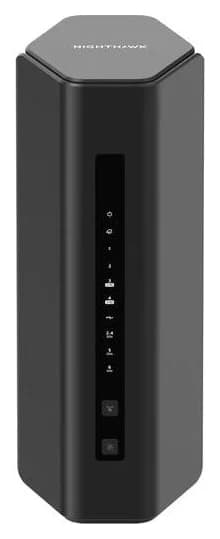
The RS100 and RS300 compared on bands, ports, coverage and price class: which Nighthawk fits your home size, service tier and expansion plans.
Comparison · Wi-Fi Routers
GL.iNet Beryl 7 vs ASUS RT-BE58 Go: Which Travel Router Should You Buy?
Pick between the GL.iNet Beryl 7 and ASUS RT-BE58 Go by ports, power, tethering, captive portals and VPN speed. Specs from the makers.